I tested an API casino setup for a sportsbook-to-casino gaming API merge. API calls cut integration time to weeks, not months. Instead of manual embeds, platforms use a casino web API for casino API integration, letting each game launch, verify, and settle fast.
I had to pick between API web casino and casino web API during a migration for an iGaming platform, and after reviewing the approach I chose a secure path. Using the https://turnkeycasino-ee.com/ iGaming API helped streamline our casino API integration, reduce manual work, and keep the rollout predictable. The team followed the API documentation for casino, validated the payment flow, and completed player verification without delays.
API web casino feels simpler for casino affiliate style embeds, but casino gaming API still needs strict auth, webhooks, and consistent player IDs. If you’re building a casino platform API stack, a casino web API integration keeps latency and failure modes cleaner.
When I integrated a game aggregator API, the biggest lesson was treating providers like unreliable neighbors. The fastest aggregator I saw cleared certification in 10 business days.
In my last casino API integration, the “API for online casino games” endpoints were the real work. Slots and live dealer API launches must return session tokens. I mapped slot game API start, live casino API seat, and game launch into one flow.
I once saw a casino content API get hammered because devs trusted client-side signatures. Use HMAC with server-side verification on every casino gaming API request. Logging saved us during a GDPR audit, and rate limits stopped brute-force attempts.

Security isn’t a feature; it’s the plumbing. If auth breaks, every “casino API for developers” demo instantly turns into downtime.
I wired a KYC casino API into a real registration funnel for a client. Fail fast on docs to avoid wasting game-server resources.
I also kept the UI separate from the verification API calls; your conversion won’t drop just because you’re strict.
When I handled deposits with a payment casino API, the painful part wasn’t money movement. Track status via webhooks; don’t trust “success” screens. Here’s what I typically set up:
| Action | status states | timeout | example |
|---|---|---|---|
| Deposit | pending, captured, failed | 30s | Stripe-style flow |
| Withdrawal | requested, processing, rejected, completed | 2h | Bank payout |
| Reversal | initiated, reversed | 10m | chargeback fix |
| Ledger sync | matched, mismatch | 15m | daily reconcile |
I learned monitoring the hard way after one live casino API seat desync lasted 42 minutes. Alert on webhook failures within 60 seconds. I log game launches, KYC checks, and payouts with correlation IDs, then keep dashboards on dev + ops. For compliance, my retention is 90 days, not “best effort,” and retries are idempotent.
I compared a handful of casino content API and casino web API options while building a casino platform API. Pick providers that publish API documentation for casino plus real uptime stats. When support is fast, you ship faster; when it’s vague, you pay later.
If you’re embedding and want quick UI wiring, API web casino can fit. If you’re building full casino API integration with reliable sessions and callbacks, choose casino web API.
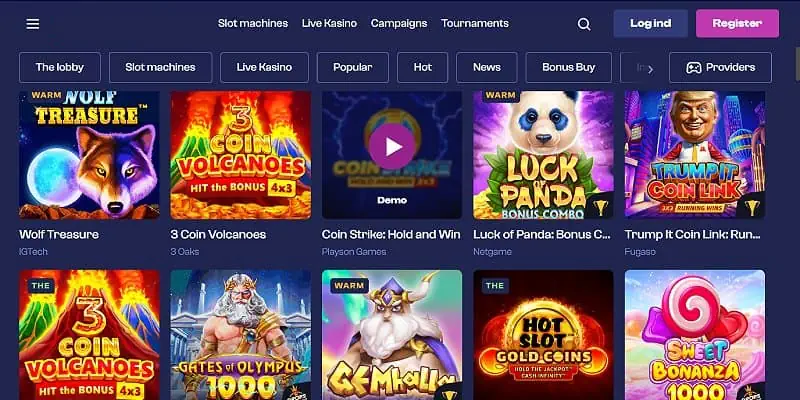
For me, session tokens were the key: slot game API start, live casino API seat, then game launch. Log and correlate each call so desyncs are traceable.
I sign requests with HMAC and verify server-side on every casino gaming API call. I also set rate limits and store audit logs for compliance reviews.
I run KYC first, then enable game access and withdrawals based on verification status. Link registration API for casino to a single immutable player_id.
Screens can lie; I treat webhooks as the source of truth for deposit and withdrawal states. That’s how I keep idempotent ledger sync aligned.
I alert on webhook failures within 60 seconds and track game launches, verification checks, and payout flows. Correlation IDs make reliability and compliance audits much faster.